Tampilkan postingan dengan label Rabbit. Tampilkan semua postingan

Kamis, 14 Maret 2013

Cottontail Rabbit


The Biggest Animals Kingdom and in The World | Cottontail Rabbit | Cottontail rabbits are among the 16 lagomorph species in the genus Sylvilagus, North America and South America. In appearance, it resembles more rabbits wild rabbit (Oryctolagus cuniculus). Most species Sylvilagus head white tail lower than during retirement, giving them their name, show "rabbit". Cottontail rabbits show a greater resistance to the rabbit myxomatosis Europeans. Position food on their front legs polZayats meal with your nose in vegetation (without sand and inedible parts) clearly from the start time of rabbit edu.Edinstvenny his forelegs used for food license if vegetation can found.  

Find The Biggest Animals Kingdom and in The World

Jumat, 15 Februari 2013

Snowshoe Hare


The Biggest Animals Kingdom and in The World | Snowshoe Hare | Hares are found mainly in the boreal forest and upper montane forests in these forests, favoring habitat with a dense shrub layer. Habitats in the Northwest Pacific hares occupy diverse, including mature conifers (especially Douglas [Pseudotsuga menziesii] and variants), immature conifers, alder (Alnus spp.) / Bramble (Rubus spectabilis), Sitka ( Abies grandis) / (salal Gaultheria shallon) and cedar (Thuja spp.) marshes. In western Oregon, hares in shrub patches vine maple (Acer circinatum), willow (Salix spp.) Y Rhododendron (Rhododendron spp.) Utah, hares used Gambel oak (Quercus Gambelli) in the northern part of the chain of Gambel oak. Marshes of Minnesota, hares use jack pine (Pinus banksiana) uplands, edges, tamarack (Larix laricina) bogs, black spruce (Picea mariana) bogs and sedge (Carex spp.), The alder and brush. [10] New England, the hare for the second phase of the growth of poplar (Populus spp.), Birch (Betula spp.) Conifers near busy, but other types of forest hares are poplar, paper birch (B. papyrifera), North-wood, red maple (A. rubrum), balsam fir (Abies balsamea), spruce (Picea rubens)-balsam fir, hemlock (Tsuga canadensis) red oak (Quercus rubra), oak (Quercus spp.), Pine (Pinus spp.), pine (P. strobus), red oak, red maple, white pine and Eastern Europe. Snowshoe hare and shrub swamps Button Bush (Cephalanthus occidentalis), alder, willow (Cornus ammomum) dominates.


Rabbits are dark. Hares are active throughout the year. Stimulates breeding season for rabbits to new and varies with latitude, position and annual events (such as weather conditions and the stage of the cycle, snowshoe hare population). Litters average 3-5 hares based on the width, height and phase of the population cycle, ranging from one to seven years. Snow increases the amount of the upper branch to see in winter snowshoe rabbits, and therefore has a positive relationship with the nutritional status of adult breeding population. The second litter born conceived before the first litter are (hares double uterus). Pregnancy rates for women 78-100% during the production of the first round, 82% and 100 litters the other hand, for periods varying types of pregnancy cycle third and fourth litters population. The number of litters per year varies with the phase of the population cycle (see below). Individual survival is negatively correlated with the number of births and positively related to body size at birth. Litter size negatively correlated with body size at birth. Northern hare populations subjected to cycles of seven to 17 years, between the peaks of the population. The average time between peaks is about 10 years.


Regions tend to spread the wealth. Located in central Alberta, snowshoe hare density was lower in 1965, hares 42-74 for 100 acres (40 hectares). The peak population in November 1970 with hares 2830-5660 100 acres (40 ha) was observed. In the southern part of the range hare population fluctuate significantly. The experiments showed Alberta Region excluded in search of hares during the peak of the population has the greatest impact on how attractive.  Hares prefer young forests with many stories below. Species composition, but the influence of population density, dense conifer stories to support higher density due to hare quality wooden bridge. In northern regions, hares occupy conifer forests and mixed at all stages of succession, but to promote early successional peak abundance of forests. In New England, hares preferred second-growth deciduous, coniferous and mixed forests with stories of dense undergrowth below, but it seems shrub fallow areas, interim shrubs burns early successional wetlands , marshes and the first mountain vegetation Krumholz preferred. Maine Hare active regions is greatly reduced or partially uncut.


Alberta hares use upland shrub sapling aspen regeneration steps (both posthumous and post-harvest). British Columbia young lodgepole pine (Pinus contorta crowded) ideal medium hare habitat. In older stands (more than 25), the density of the rod begins to fall and cover snowshoe hares decreases. Winter hare pellet has over 20 years of lodgepole pine, is the reduction of twisted old laid by the lower and dominated by spruce. In western Oregon, hares were only in the early stages of succession, including brushfields abundant stable. A few hares were found in the adjacent forest plots, but are widely dispersed, small population. Observed a hare in disturbed soil 2.5 years after their high and burned at this stage of the ground cover is similar to the intact forest. 9 years after disturbance snowshoe hare density increased significantly. Regularly in western Washington, hares used steep slopes, where the coverage is adequate, most studies indicate, however, who prefer a gentler slope. Moonlight increases susceptibility to predation hares, especially in winter. Snowshoe hare up to 5 miles (8 km), when food is scarce. Iceland in Montreal, Quebec, the average daily range for both sexes 4 acres (1.6 ha) in old forests of mixed field. In Montana, the mean home range of 25 hectares (10 acres) for men and 19 acres (7.6 hectares) for women. In Oregon, the average range snowshoe hare home was 14.6 acres (5.9 ha). Main enemies are the Canada lynx (Lynx canadensis), bobcat (Lynx rufus), fishers (Tuesday pennanti), American marten (M. americana), long-tailed weasel (Mustela brakes), mink (M. vison), the fox (Vulpes and Urocyon spp.), coyote (Canis latrans), domestic dog (C. familiaris), cats (Felis catus), wolf (C. lupus), cougar (Felis concolor), the Horned Owl (Bubo virginianus), Barred Owl (Strix varia), spotted owls (S. occidentalis), other owls-tailed Hawk (Buteo jamaicensis), northern goshawk ( Accipiter gentilis), hawks (other Buteonidae), golden eagle (Aquila chryseatos) and crows and ravens. In Glacier National Park snowshoe hare are a barrage of Rocky Mountain wolves (Canis lupus irremotus).
Find The Biggest Animals Kingdom and in The World

Minggu, 02 Desember 2012

Arctic Hare


The Biggest Animals Kingdom and in The World | Arctic Hare | The arctic hare is distributed in the tundra regions of Greenland and northern Canada. To the south of its range, the Arctic Hare change your hair color changes, and grow new skin, brown or gray in summer and white in winter, as some other arctic animals between ermine and ptarmigan, which permission to stay camouflaged by substantial changes. The Arctic hare is one of the greatest living lagomorphs.


The Arctic hare eats mainly woody plants but also dine on buds, fruits, leaves and herbs. In early summer they eat purple saxifrage. This hare can eat meat. Rabbits can have up to eight baby hares called hares.
  
Find The Biggest Animals Kingdom and in The World

Selasa, 07 Agustus 2012

Rabbit


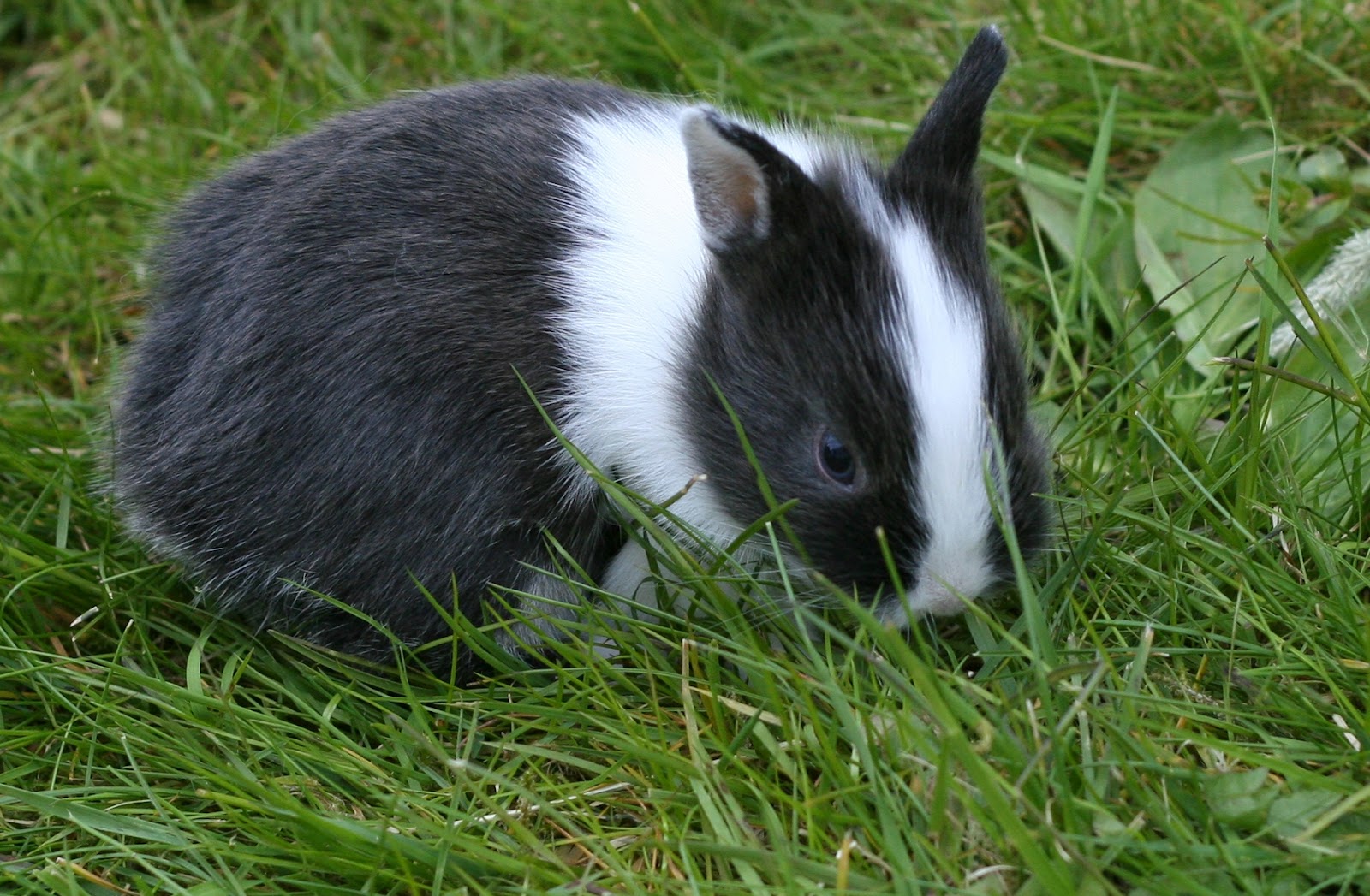
The Biggest Animals Kingdom and in The World | Rabbit | Rabbit habitat includes meadows, woods, forests, grasslands, deserts and wetlands Rabbits live in groups, and the most familiar species, the European rabbit, lives in underground burrows, or rabbit holes. A group is Warren Burrows More than half of the world population live rabbit in North America. Rabbits first in South America recently, as part of the Great American Interchange. A large part of the continent has only one species of rabbit, wallpaper, while most of the southern cone of South America is not a rabbit. European rabbit was introduced in many places around the world Long rabbit ears, which can last more than 10 cm (4 inches), are probably an adaptation for detecting predators.


Wild rabbits do not differ greatly in their body proportions or position, complete, egg-shaped bodies. Because rabbit epiglottis focuses on the soft palate, except when swallowing, forced ventilation is a rabbit nose. Rabbits, two sets of teeth teeth, one after the other. Rabbits are hindgut fermenters. Check the rabbit is about 10 times the stomach intestine is about 40% of the rabbit digestive tract. Muscles rabbit intestinal tract control makes it possible to separate the fiber material of the material more palatable fiber material is passed as faeces, while more nutritious material is encapsulated in a mucous membrane, which cecotrope. Cecotropes, also called "night feces" are rich in minerals, vitamins and proteins needed for the health of the rabbits. Rabbits eat these to their nutritional needs, which mucosa to nutrients by heartburn go for digestion in the intestines . This process allows rabbits to the necessary nutrients from their food.


Rabbits are prey animals therefore steadily and are aware of their surroundings. The cases, Mediterranean Europe, rabbits prey mainly red foxes, badgers, and Iberian lynx. Rabbits have a very wide field, and much of it is dedicated scanning overhead. The breeding season for most rabbits lasts nine months, from February to October. A kit (baby rabbit) can be weaned at about 4-5 weeks old. This means one season a female rabbit can produce up to 800 children, grandchildren and great grandchildren. Female rabbits are reflex ovulators. Female rabbit or not to lose clumps of hair during pregnancy.


10 to 11 days after birth, baby rabbits eyes open and they start eating on their own in about 14 days. In about 6-8 months old (age that rabbits are fully grown), this layer is replaced by a final layer of adult streams twice a year thereafter. Rabbit life expectancy is about 9-12 world, the longest was 18 years. Rabbits are herbivores who feed by grazing on grass, forbs, and green weeds. Rabbits solve this problem by passing two distinct types of feces: hard droppings and soft black viscous pellets, the latter, which are consumed immediately. Rabbits reingest their droppings (rather than ruminate like cows and many other herbivores) to digest their food further and extract sufficient nutrients.


Meanwhile, the rabbit will also remove many hard fecal pellets, being waste pellets that will not be reingested. If the environment is relatively non-threatening, the rabbit will remain outdoors for many hours, grazing at intervals. While in the cave, rabbit pellets will reingest her occasional soft, partially digested, this is rarely observed, because the pellets are reingested they are produced. Soft pellets are usually produced several hours after grazing, after the hard pellets have all been excreted. After being disabled, they are eaten whole rabbit and redigested in a special part of the stomach.


Rabbits kept indoors are often referred to as a rabbit. Domestic rabbits are usually within a pen or cage and put rabbit can be performed safely and to exercise such an exercise pen, living or family room. Rabbits can be trained to use a litter box, and can learn to come when called. Rabbit, not in life can also serve as companions for their owners, typically living in a protected outdoor hutch. Pet rabbits are often additional space to move, simulating the open space a rabbit would traverse in the wild. Pens or lawn pens are often used to practice a safe place for rabbits to run business. Pet a rabbit's diet typically consists of unlimited Timothy hay or grass, a small amount of pellets, and a decent amount of fresh vegetables and have unlimited access to fresh, clean water. Rabbits are social animals. 


Rabbits can make good pets for children, where appropriate parental supervision is provided. As prey animals, rabbits are timid creatures alert enough to frighten easily. Older children and adolescents usually necessary maturity to ensure a rabbit European Leporids such as rabbits and hares are a food meat in Europe, South America, North America, parts of the Middle East. Rabbit is still sold in the UK butchers and markets and some supermarkets sell frozen rabbit meat. In addition, some started selling fresh rabbit meat with other games. Rabbit meat was once commonly sold in Sydney, Australia, suppliers that gives the name rugby league team the South Sydney Rabbitohs, but quickly became popular after the disease myxomatosis was introduced in an attempt to the rabbit population to remove wild (see Rabbit, also in Australia).


Rabbit meat is not popular in the Asia-Pacific. When used for food, rabbits are both hunted and raised for food. Traps or weapons are usually used in catching wild rabbits for food. In many regions, rabbits are also bred for meat, a practice called cuniculture. Rabbits can then be slain by hitting the back of the head, a practice that the term rabbit punch is derived. Rabbit meat is a source of quality protein. Rabbit products are generally classified in three ways, first the fryer. This is a young rabbit between 4.5 and 5 pounds and up to 9 weeks old. One of the most common types of rabbits are bred for meat is New Zealand white rabbit. There are many health problems with the use of rabbit tularemia one or rabbit fever. Another example is the so-called rabbit starvation, probably due to the lack of essential fatty acids of rabbit meat. Rabbits are a common food of large pythons, Burmese pythons and as the reticulated python, both in nature and in captivity. Rabbit skins are sometimes used for clothing and accessories such as scarves or hats. Angora rabbits are raised for long hair, fine, that can be harvested and sheared from the sheep. Rabbits are very good producers of manure, in addition their urine, which is high in nitrogen, makes lemon trees very productive.
Find The Biggest Animals Kingdom and in The World